


Coloring as a Mindfulness Activity
· Nilya Store · Updated
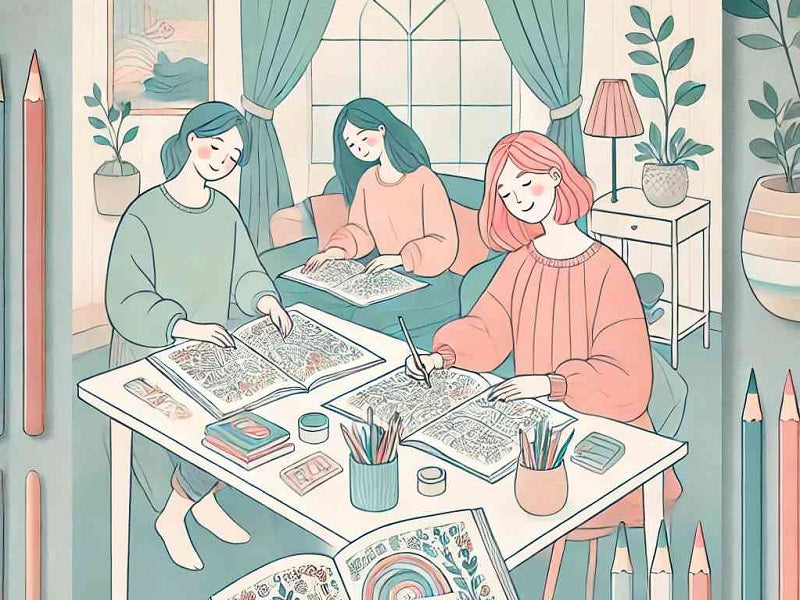
Mind-Relaxing Activity
Stress, fatigue, and the pace of daily life take a real toll on both mental and physical health, which is why so many people are turning to mindfulness to find some balance. Creative activities like coloring have become one of the more accessible ways to build that practice, for kids and adults alike.
What Is Mindfulness?
Mindfulness means experiencing the present moment without judgment, essentially the art of staying where you are. It can take many forms, from meditation and breathing exercises to creative activities. Because creative activities keep the mind occupied in the moment, they're a particularly effective way to build a mindfulness practice.
The Connection Between Coloring and Awareness
Coloring might look simple, but it offers real mental health benefits. Focusing on colors, patterns, and fine details pulls attention away from daily stress and fatigue, creating a sense of mental lightness and helping people stay grounded in the moment.
Some of the main ways coloring builds awareness:
Calms the Mind
Focusing on details and colors reduces mental noise and stress, creating a real sense of calm.
Supports Self-Discovery
The colors and patterns people choose often reflect something about their inner world, giving them a quiet path toward self-understanding.
Builds Inner Calm
The repetitive movements and patterns involved in coloring create a meditative effect that helps settle the mind.
Stimulates Creativity
Choosing colors and patterns gives people a way to express themselves while sharpening their creative thinking.
Mindfulness Techniques for Coloring
Breathing Awareness
Take a few deep breaths before you start coloring. You'll likely notice your mind settling, which puts you in a better headspace to begin.
Awareness of Color and Emotion
Each color tends to trigger a different feeling. While coloring, pay attention to what each color brings up in you and let that awareness build naturally.
Focus on the Details
Work slowly through the fine details of each pattern, staying present rather than rushing to finish.
Coloring Without a Clock
Color at your own pace, without any time pressure. That freedom is part of what makes the activity mentally relaxing.
Choosing the Right Coloring Book
When picking a coloring book, think about how calming the patterns feel and whether the content genuinely appeals to you. Simpler patterns tend to work better for children, while detailed mandalas or themed books for adults can deepen the mindfulness effect. Adult coloring books in particular are well suited for stress management and mental relaxation.
Coloring as a Social Activity
Coloring doesn't have to be a solo activity. Doing it with family or friends is a good way to spend quality time together, build group skills, and strengthen social bonds, and those shared moments can spark new ideas and creativity of their own.
A Break from Screens
Long stretches of screen time add to both mental and physical fatigue. Coloring gives people, kids especially, a reason to step away from screens, rest their minds, and even build motor skills while they focus and unwind.
Making Mindfulness a Habit
Coloring has grown from a simple hobby into a real mindfulness practice. Many people find that spending 15 to 20 minutes a day fully focused on coloring helps them feel calmer and more balanced, often leaving people better equipped to face the next day.