


DIY Coloring Books for Kids
· Nilya Store · Updated
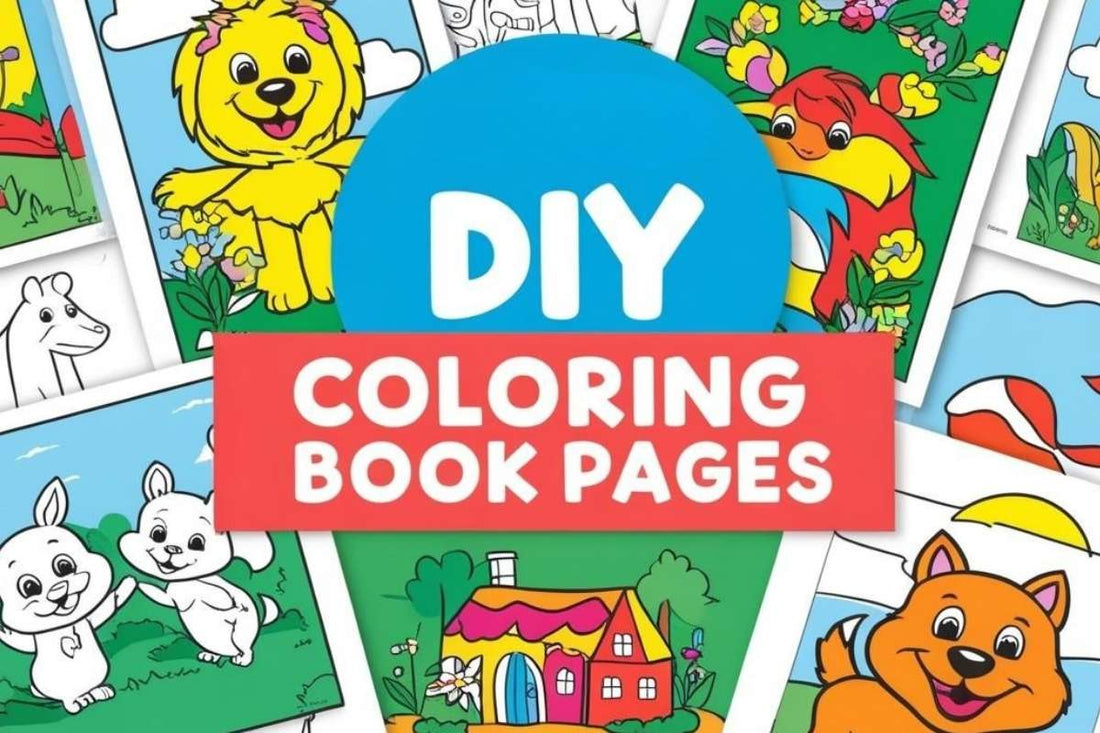
Coloring books support cognitive development, emotional well-being, and creativity, not just as a hobby but as a genuinely useful activity. Making your own DIY coloring book lets you match the content directly to your child's interests, which adds real educational value to the experience. A few reasons DIY coloring books are worth trying:
- Personalizing the themes, characters, or objects makes the coloring process more enjoyable for your child.
- Making your own can cost less than buying a commercial coloring book.
- Creating a coloring book together is a great way for parents and kids to bond.
Making a Coloring Book at Home
Putting together a DIY coloring book is easier than it sounds. Here's a simple road map to get started.
Gather Your Materials
- Cardstock or printer paper for durability
- Markers or crayons for coloring and sketching
- Scissors for cutting out shapes or designs
- Glue to fasten pages together
- A hole punch to make binding holes
- Rings or string to bind the pages
Design the Pages
- Sketch basic objects, animals, or shapes, or start from downloadable coloring pages if drawing isn't your thing.
- Add themes your child enjoys, like seasons, holidays, or favorite characters, to keep things interesting.
Put the Book Together
- Punch holes in every page and bind them together with rings or string.
- Decorate the cover with markers, stickers, or other craft materials.
Why Coloring Books Are Good for Kids
Coloring books offer a wide range of benefits, from cognitive development to emotional well-being:
- They build hand-eye coordination and fine motor skills while introducing new colors.
- They offer a genuine way to relax and relieve stress.
- They build patience, since finishing a complex design takes time and focus.
- They encourage storytelling and imagination through creative expression.
Other Fun DIY Art Projects
Beyond coloring books, kids can build on their creativity with a few other simple projects:
- Sticker sorting to practice color recognition and sorting skills.
- Sorting buttons by color to practice counting and matching.
- Sensory bins filled with beads or colored grains for a tactile experience.
Creative Coloring Activities for Toddlers
Toddlers love experimenting with color, and these simple activities help fuel that curiosity:
- Color hop: have your child jump to the color you call out from colored dots on the floor.
- Freeze colored water into ice cubes, then let your child mix them to create new colors.
- Paint a rainbow with watercolors or crayons while talking through the color order.
Using Technology to Improve Handmade Coloring Books
Technology has made it easier than ever to design original, customized coloring books. Tools like Microsoft Designer let you create unique images and themes, which can make the finished book even more appealing to your child.
More Tips for Handmade Coloring Books
- Theme selection: Choose princesses, superheroes, or animals, whatever your child already loves.
- Page variety: Mix simple and more intricate patterns to match different skill levels.
- Involvement: Let your child help with everything from the design to the binding.
Using Printable Coloring Pages
Printable coloring pages are a great option if you'd rather not sketch your own designs. Here's how to use them:
- Print the pages on paper or cardstock. Sites like Homemade Gifts Made Easy and ABCmouse offer a wide range of themes.
- Bind the pages using glue or rings, following the same steps as a handmade book.
- Personalize the cover with your child's name or a custom design.
Advantages of Printable Coloring Pages
- Time-saving: No need to design or draw your own pages.
- Variety: A huge range of designs and ideas available online.
- Convenience: Easy to print at home whenever you need them.
Printable coloring pages make it easy to build a coloring book without having to draw anything yourself, and combining them with your own handmade designs can make the final result even more personal.
Coloring Book Ideas by Age
- For toddlers: simple shapes and large areas to color.
- For school-age kids: more detailed drawings, like cars or animals.
- For older kids: complex patterns or detailed scenes that challenge their skills.
Encouraging Originality
- Let your child choose their own colors and patterns.
- Encourage them to try new techniques, like layering colors or mixing materials.
- Praise their work, regardless of how simple or complex it turns out.
Giving kids room to express themselves through coloring can spark a lifelong love of art and creativity. Whether you go the DIY route or use printable pages, the enjoyment of coloring never really runs out.
Making a DIY coloring book combines fun, learning, and creativity into one simple project. It's a great way to help your kids build important skills while spending meaningful time together.