


Fermentation Recipe Book Guide
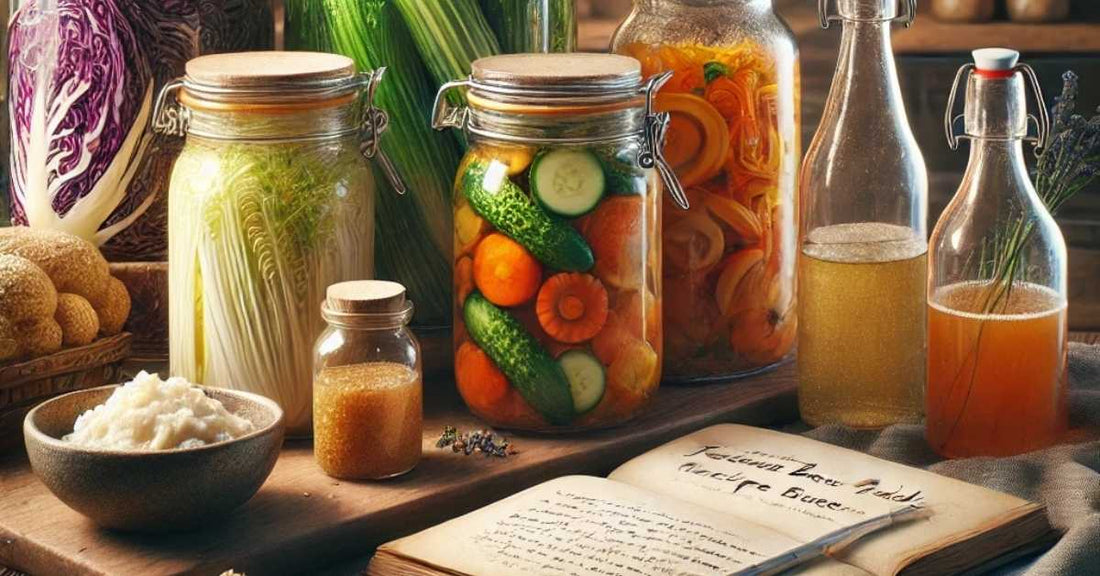
Getting Started With Fermentation at Home
Fermented foods earn their reputation twice over: they taste good, and they're genuinely good for you. Yogurt, kefir, pickles, and kombucha all owe their tang to the same process, and along with it comes a solid dose of probiotics that support your immune system. If you want to start making these at home, a dedicated fermentation cookbook is the easiest way to get comfortable with the basics before branching out on your own.
What Fermentation Actually Is
Fermentation happens when bacteria and yeast break down the sugars and starches in food. That process is what allows fermented foods to keep for so long, and it's also what makes them so good for digestion. Along the way, they end up supporting gut health and strengthening the immune system.
The Benefits of Fermented Foods
- A stronger immune system: The probiotics in fermented foods help balance your gut flora, which in turn supports overall immune function.
- Easier digestion: More beneficial bacteria in the gut means smoother digestion overall.
- Higher nutrient content: Fermentation actually increases the vitamin and mineral content of many foods.
- A longer shelf life: The natural preservatives created during fermentation mean these foods keep far longer than their fresh counterparts.
What You'll Need
- Glass jars
- Clean water
- Sea salt or rock salt
- Organic vegetables or dairy
- A starter culture, such as kefir grains or a probiotic yeast
- Cotton cloth or a breathable lid
With just those basics, you can start fermenting comfortably at home.
A Few Fermented Recipes to Try
1. Homemade Sauerkraut
Ingredients: 1 large cabbage, 1 tablespoon rock salt, 1 teaspoon cumin seed (optional)
Method: Finely chop the cabbage and knead it with the salt in a large bowl until it starts releasing liquid. Pack it tightly into a glass jar, weigh it down so it stays submerged, and cover with a clean cloth. Let it sit at room temperature for 7 to 14 days, then refrigerate and enjoy.
2. Homemade Kefir
Ingredients: 1 liter unpasteurized milk, 1 tablespoon kefir grains
Method: Combine the milk and kefir grains in a glass jar, cover with a clean cloth, and leave in a dark spot for 24 hours. Strain and refrigerate.
3. Homemade Kombucha
Ingredients: 1 liter water, 4 bags black or green tea, half a cup sugar, 1 SCOBY, half a cup of starter tea from a previous batch
Method: Boil the water, steep the tea, then stir in the sugar and let the mixture cool completely. Pour it into a glass jar, add the SCOBY and starter tea, cover with a cloth, and let it ferment for 7 to 10 days. Strain and refrigerate when it's done.
Storing Fermented Foods
- Always store fermented foods in glass jars.
- Move anything fermented at room temperature to a cool spot once it's ready.
- Refrigerate after opening to keep it fresh longer.
- Check jars regularly for mold, just to be safe.
Fermenting at home is a genuinely rewarding project, both for your health and for your cooking in general. Done patiently, with the right ingredients, it's an easy way to add probiotic, nutrient-dense foods to your routine. Give a few of these recipes a try and see how they fit into your kitchen.

The Noma Guide to Fermentation
Discover the ultimate Fermentation Recipe Book Guide! Learn step-by-step fermentation techniques, must-have tools, and delicious probiotic-rich recipes to boost gut health and enhance your meals Check it out on Amazon.