


International vs Local Cuisine Cookbooks: Which Ones Are Trending?
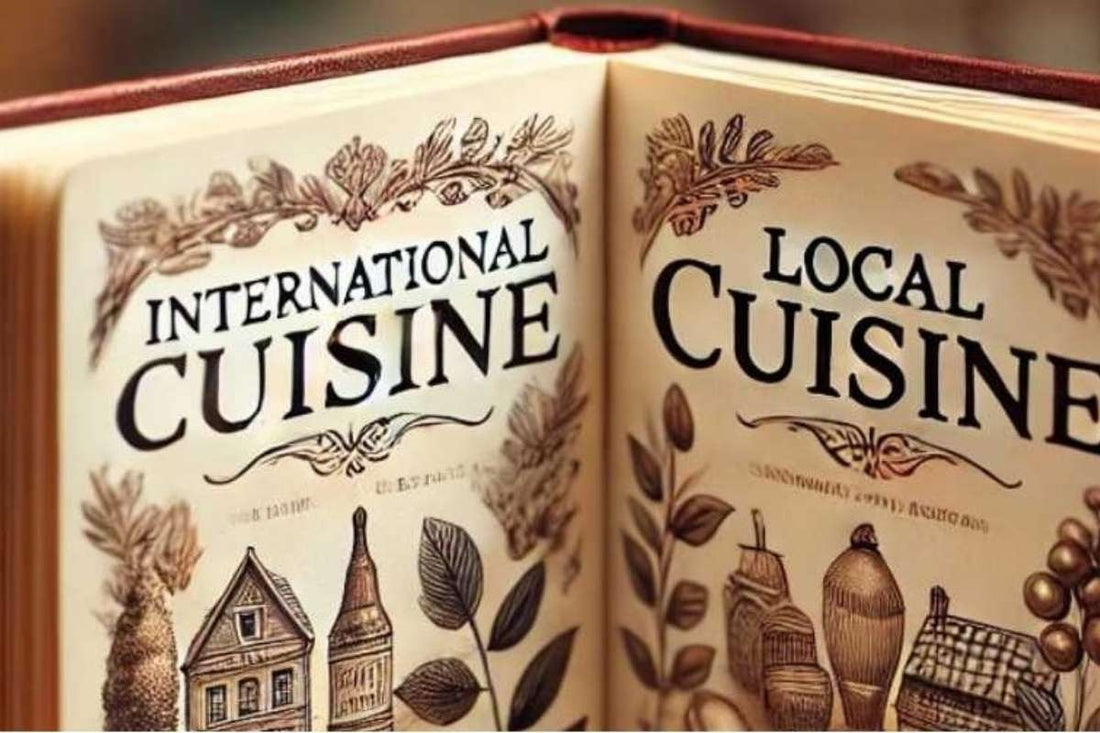
Cookbooks have become essential reading for anyone who's serious about the kitchen, and the culinary world never really sits still. Sometimes local cuisine takes center stage, other times it's international flavors pulling in all the attention. So which one has actually been winning out in cookbooks lately? Here's a closer look at both.
Local Cuisine Cookbooks: Returning to the Roots
Since the pandemic pushed so many people to cook at home more, interest in traditional and local recipes has grown right along with it. A lot of people started reviving the recipes their mothers and grandmothers used to make, chasing a connection to their own culinary heritage. That's a big part of why local cuisine cookbooks have become such a popular category.
These books preserve authentic, traditional recipes and help keep a culture's culinary identity alive. Think of resources built around pasta and pizza for Italian cuisine, or Ottoman recipes for Turkish cuisine: books like these have found a real audience.
What Makes Local Cuisine Books Popular
- A deep well of traditional recipes in one place.
- An honest reflection of a region's actual culinary culture.
- A push toward using local, seasonal ingredients.
- A genuine contribution to gastronomy and food history.
- A way to pass family recipes down to the next generation.
- A focus on natural ingredients that tends to support healthier eating.
International Cuisine Cookbooks: Flavors Without Borders
For cooks curious about other cultures, globalized cookbooks have become a genuine draw. These books gather recipes from cuisines around the world, from Far Eastern to French, Mexican, Indian, Ottoman, Turkish, and Italian, giving readers a way to diversify what they cook at home. Well-known chefs and food bloggers have leaned into this category, and it shows: books built around ramen or sushi consistently draw attention from anyone curious about Asian cuisine, while Mediterranean cookbooks pull in readers focused on healthy eating.
What Makes International Cookbooks Popular
- Recipes drawn from a wide range of cultures.
- A chance to discover unfamiliar flavors without leaving home.
- Vegan and vegetarian options that broaden who the book appeals to.
- Exposure to exotic spices and techniques that wouldn't otherwise cross your path.
- An easy way to keep up with what's trending in global gastronomy.
Comparing the Two
Both categories bring something real to the table, just from different directions. Local cuisine cookbooks lean into nostalgia and tradition, while international ones open the door to flavors you'd otherwise have to travel for. Neither one makes the other obsolete; they simply serve different cravings.
Where Local Cookbooks Have the Edge
- They keep traditional recipes from disappearing.
- They encourage cooking with local, easy-to-source ingredients.
- They introduce readers to a region's culinary culture in a hands-on way.
- They often lean into healthy, minimally processed ingredients.
Where International Cookbooks Have the Edge
- They let you try flavors from across the globe without leaving your kitchen.
- They save you the cost of travel while still delivering an authentic taste of another culture.
- They tend to track closely with current health and diet trends.
- They keep you current with what's trending in the broader food world.
- They connect readers with recipes from well-known chefs and food influencers.
Which One Is More Popular Right Now?
Both categories are drawing real attention these days. Vegan cooking, gluten-free recipes, and fermented, probiotic-rich foods are climbing in popularity across local and international cookbooks alike.
Social media plays a big role in driving sales for both. Instagram and TikTok in particular have turned recipe videos into a genuine sales engine for cookbook publishers.
A few categories have stood out over the past couple of years:
- Fermented and probiotic foods: a growing area of interest across the board.
- Plant-based recipes: vegan cookbooks in particular keep gaining ground.
- Sourdough baking: home bread-making has surged, and local cuisine cookbooks have ridden that wave.
- Global street food: Asian, Latin American, and Middle Eastern street flavors draw a lot of interest, especially from people who love to travel.
- Chef and influencer cookbooks: books built around a well-known name consistently land on bestseller lists.
Which Should You Choose
Choosing between the two really comes down to what you're after. If you want to explore your own heritage or keep family traditions alive, local cuisine cookbooks are the better fit. If you're drawn to flavors from other cultures and want to bring some of that variety into your kitchen, international cookbooks are worth the investment.
Either way, both categories remain genuinely popular in the cookbook world right now. The real question is which one fits what you're craving.
International Cookbooks

The World Central Kitchen Cookbook: Feeding Humanity, Feeding Hope
Explore "The World Central Kitchen Cookbook: Feeding Humanity, Feeding Hope." This bestselling cookbook features recipes and stories from José Andrés' nonprofit, showcasing meals that have nourished communities in crisis. Learn to cook dishes that bring comfort and hope, with contributions from renowned chefs and celebrities 👉 Check it out on Amazon now!
Local Cuisine Cookbooks

Cook Like a Local: Flavors That Can Change How You Cook and See the World: A Cookbook
Explore Houston's diverse flavors with "Cook Like a Local" by chef Chris Shepherd. This cookbook features recipes and stories centered on six essential ingredients, teaching home cooks to embrace multicultural cuisines. Learn to cook with creativity and respect, transforming your approach to local ingredients and global flavors. 👉 Check it out on Amazon now!