


Seasonal vs. Year-Round Cookbooks: Which Approach is More Sustainable?
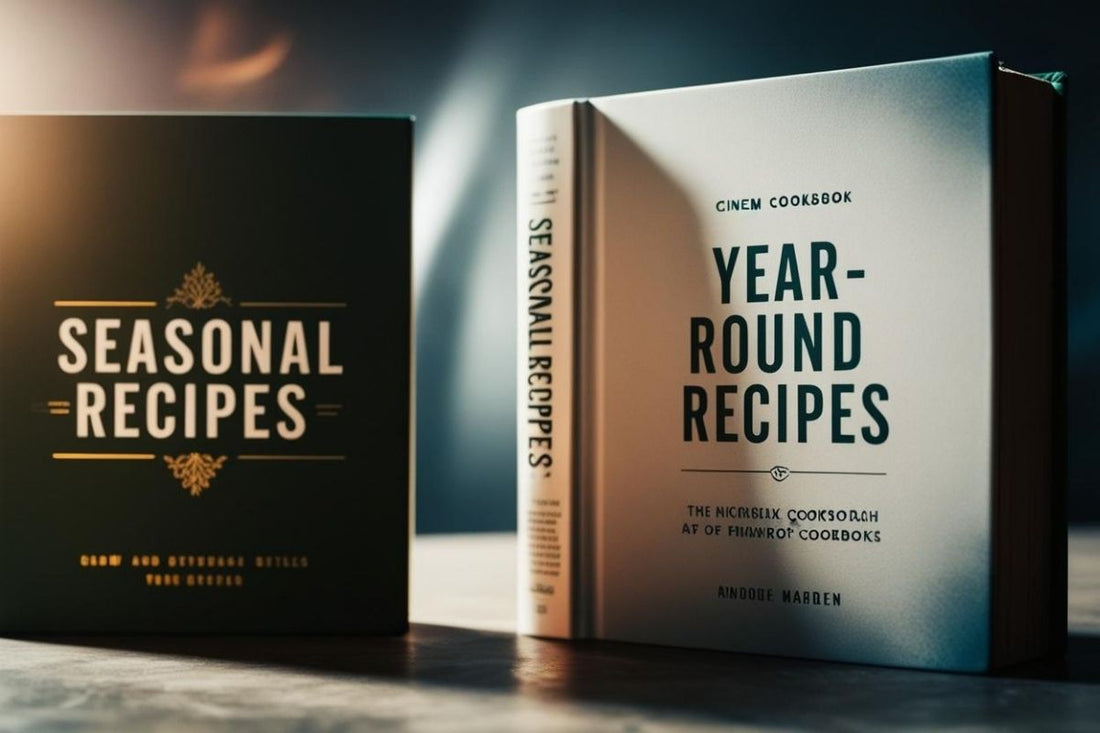
Sustainability has become a bigger part of how people think about cooking, and cookbooks reflect that shift in different ways. One question worth asking is whether seasonal cookbooks or year-round cookbooks make the more sustainable choice. Here's a look at how each approach holds up.
Seasonal Cookbooks and Sustainability
Seasonal cookbooks build their recipes around whatever produce is in season, with the idea that food tastes best, and does the least environmental damage, when it's eaten close to when and where it's grown. Here's what that approach contributes to sustainability.
1. Local and Organic Ingredients
Seasonal recipes lean on vegetables and fruits grown by local farmers at their peak. Buying locally cuts down on the carbon footprint tied to food transport, and it supports local producers along the way.
2. Less Food Waste
Because seasonal recipes focus on what's already abundant at a given time of year, they help reduce the waste that comes from overproduction.
3. Lower Energy Use
Produce grown in season uses far less energy than food grown in heated greenhouses or shipped in from elsewhere. Greenhouse lighting, heating, and long-distance transport all add to carbon emissions, while food that goes straight from local soil to your table skips most of that.
4. Seasonal Eating Habits
Seasonal cookbooks push people toward a more natural rhythm of eating, and produce picked at its peak tends to carry the most nutritional value.
That said, seasonal cookbooks have real limitations. Recipes tied to a specific season aren't much use the rest of the year, and depending on where you live, some seasons simply don't offer much fresh variety. Eating seasonally through a cold winter, for instance, can be a genuine challenge.
Year-Round Cookbooks and Sustainability
Year-round cookbooks aren't tied to any single season. They typically draw on fresh, canned, frozen, and dried ingredients alike, and they contribute to sustainability in their own ways.
1. Flexibility and Accessibility
Because year-round cookbooks work in any season, they're more flexible to cook from day to day. That flexibility also lowers the risk of not being able to find certain ingredients, which makes it easier to build sustainable habits in the kitchen, especially for people living in cities.
2. Food Preservation Techniques
These cookbooks often lean on canning, freezing, and drying, which helps cut down on waste by keeping food usable for longer. Preserving summer tomatoes to use in winter, for example, is both economical and a way to eat a vegetable that's otherwise out of season.
3. More Variety
Year-round cookbooks tend to pull from a wider range of cuisines and cultures, which can push people toward more sustainable habits simply by introducing them to ingredients they wouldn't otherwise use. A book built around world cuisine, for instance, can introduce cooks to ingredients that are locally grown but not widely known.
4. Sustainable Storage
By including frozen, dried, and canned foods alongside fresh ones, these cookbooks help keep food from spoiling and support sustainability from a storage standpoint.
The downside is that some year-round recipes lean on out-of-season produce, which often means more imported or greenhouse-grown food, and a bigger carbon footprint as a result.
Which Approach Is More Sustainable?
Both approaches have real strengths and weaknesses. A few factors worth weighing if you're trying to build sustainable habits in the kitchen:
1. Local and organic ingredients: seasonal cookbooks have the edge here.
2. Reducing food waste: both approaches help meaningfully.
3. Energy use: seasonal recipes tend to be lower-impact.
4. Flexibility and access: year-round cookbooks offer more range across cultures and cuisines.
5. Variety and nutrition: both can broaden your diet, though seasonal cookbooks tend to highlight ingredients at their freshest and most nutritious.
In practice, the most sustainable approach is usually a mix of both. Seasonal cookbooks push you toward fresh, local produce, while year-round cookbooks fill the gaps with preservation methods and broader recipe variety. What matters most is making conscious choices about what you cook and where the ingredients come from.
Seasonal Cookbook

Preppy Kitchen Super Easy: 100 Simple and Versatile Recipes
Preppy Kitchen Super Easy" is a bestselling cookbook featuring 100 simple and versatile recipes for effortless home cooking. Created by John Kanell, this book offers easy-to-follow dishes perfect for busy weeknights, family meals, and special occasions. Elevate your kitchen skills with delicious, foolproof recipes! 👉 Check it out on Amazon now!
Year-Round Cookbook

Blackstone Outdoor Gas Griddle Cookbook
Master the art of outdoor grilling with "Blackstone Outdoor Gas Griddle Cookbook", featuring 200 simple and delicious recipes for every season. Packed with pro tips and innovative techniques, this bestseller helps you impress guests with mouthwatering meals all year round! 🔥🍔 👉 Check it out on Amazon now!